
Kitchens Are Starting to Look Like Living Rooms
Why today’s kitchens are becoming the most comfortable room in the house
Quick Summary
• Kitchens are increasingly being designed to feel like living spaces rather than strictly functional cooking areas
• Furniture inspired cabinetry, hidden appliances, and softer lighting are helping kitchens blend with nearby living rooms
• Kitchen islands and seating areas are becoming central gathering spots for work, meals, and socializing
• Warmer materials, natural textures, and curved designs are replacing stark white minimalist kitchens
• This shift reflects how modern households actually use their homes with the kitchen acting as the main hub of daily life
Why Kitchens Are Starting to Feel Like Living Rooms
For decades, kitchens were designed primarily for efficiency. Clean surfaces, bright lighting, and durable materials were the priorities. But the way people live inside their homes has changed dramatically.
Today the kitchen often acts as the central hub of the house. It is where people gather in the morning, work remotely during the day, help kids with homework, and unwind at night. Because of this shift, designers are reimagining the kitchen as a comfortable living space instead of just a workspace.
Many homeowners are now asking for kitchens that feel warm, inviting, and integrated with the rest of the home rather than separated by a stark design difference.
This shift is sometimes described by designers as the living room kitchen trend.
How Modern Kitchens Are Becoming More Comfortable
Several design changes are driving this transformation. These features help kitchens feel more like places where people relax rather than just cook.
Furniture Style Design
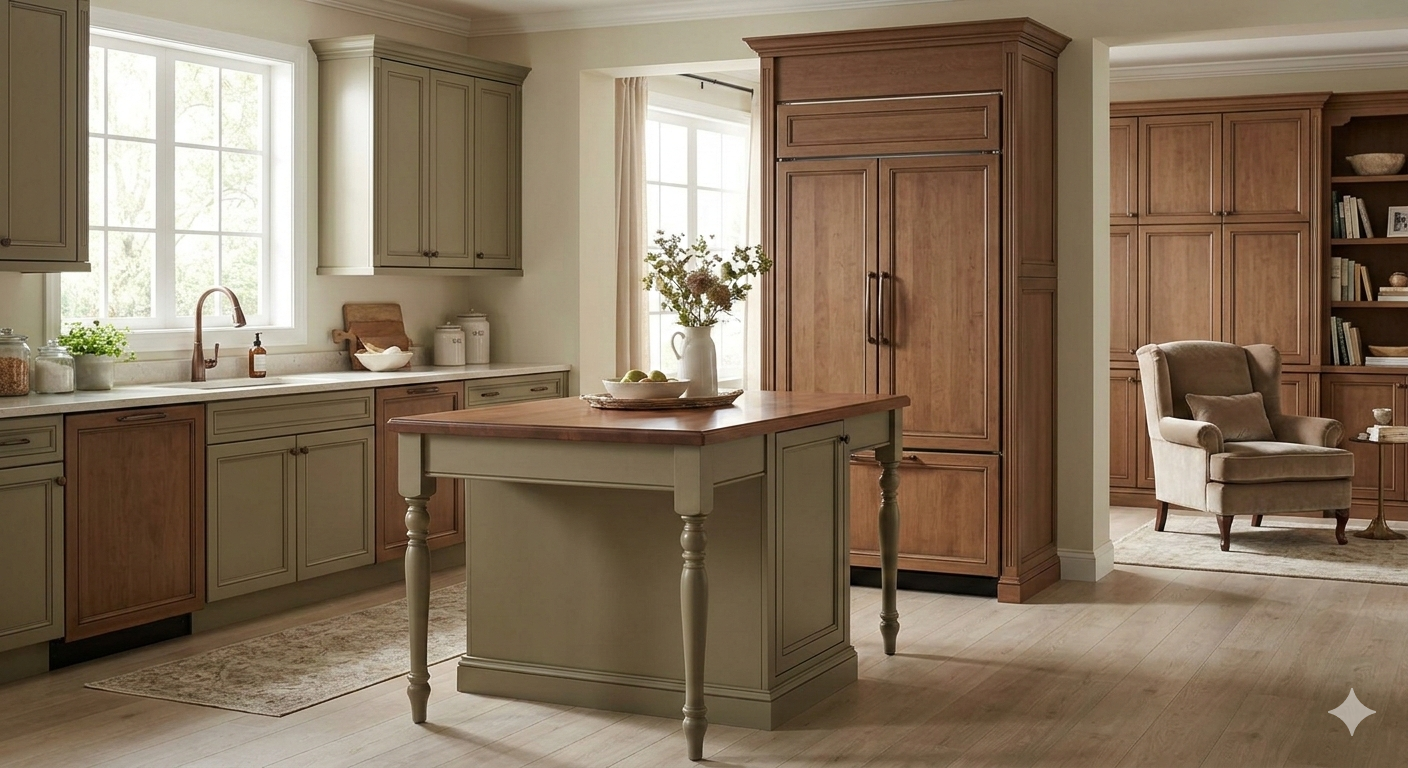
Cabinetry and appliances are increasingly designed to resemble furniture instead of traditional kitchen equipment.
Examples include
• Refrigerators hidden behind wood panels that resemble armoires
• Kitchen islands that look like dining tables or furniture pieces
• Cabinetry with decorative legs or curved edges
These elements soften the overall appearance and help the kitchen blend seamlessly with nearby living spaces.
Hidden Appliances
Modern kitchens are also becoming visually quieter.
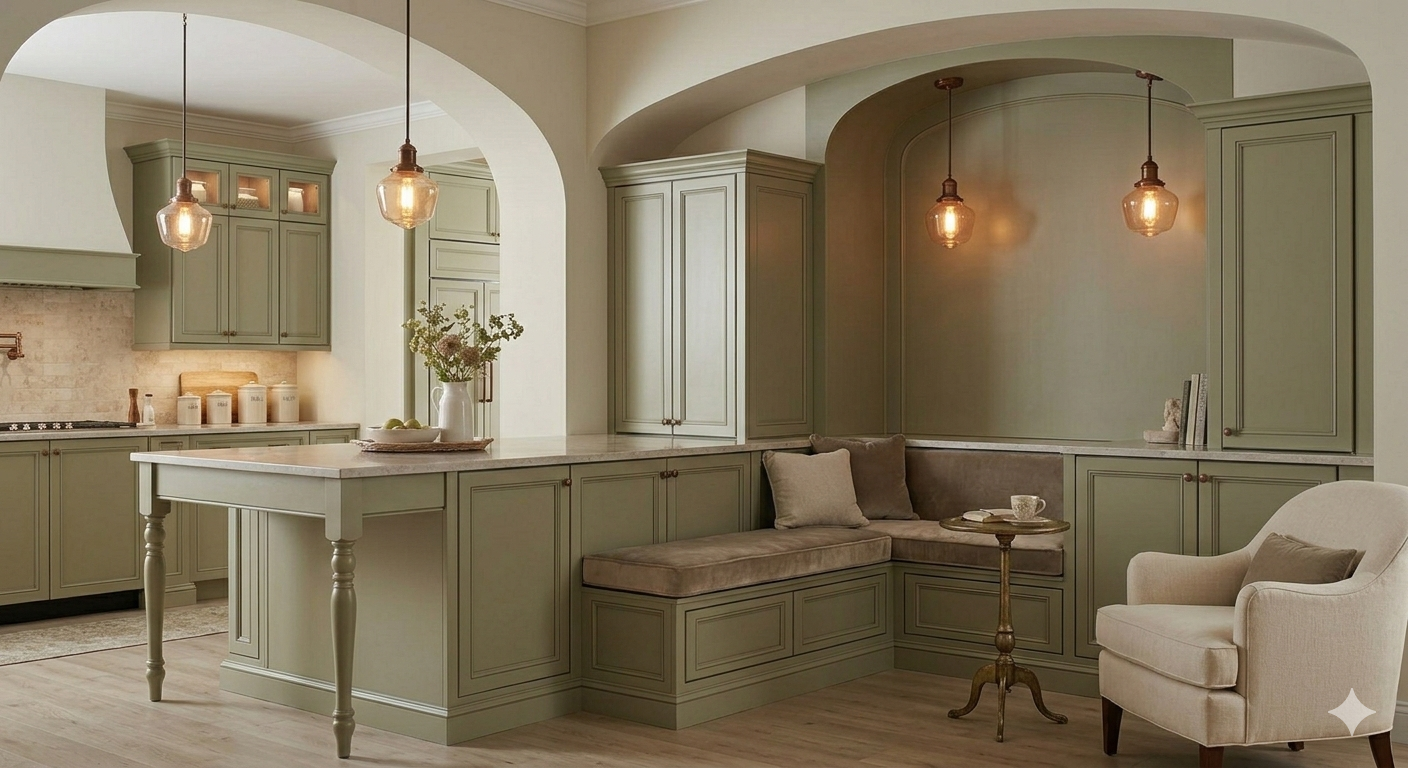
Designers are concealing appliances behind cabinetry panels so they blend into the room instead of standing out. Refrigerators, dishwashers, and even ventilation systems can now disappear into the design.
This creates a cleaner, calmer environment that feels closer to a living room than a traditional kitchen.
Softer Lighting
Lighting plays a major role in how a room feels.
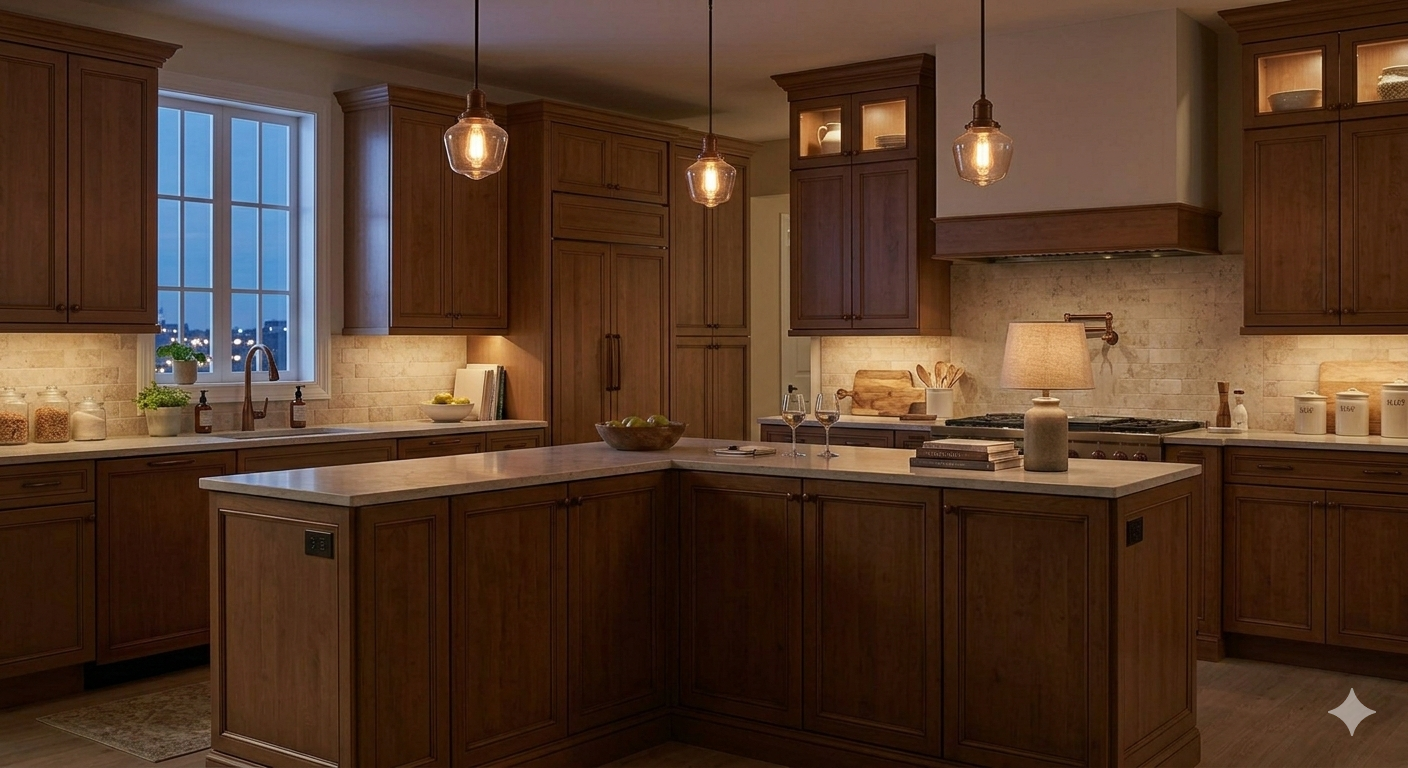
Traditional kitchens relied heavily on bright recessed lighting meant to maximize visibility while cooking. New designs incorporate layered lighting that creates warmth and atmosphere.
Common approaches include
• Pendant lights above islands
• Under cabinet lighting
• Accent lighting inside cabinets
• Decorative fixtures typically seen in living rooms
This layered lighting makes the space feel more relaxed and inviting.
Comfortable Seating
Seating is becoming a major feature in kitchen design.
Instead of a few bar stools, many kitchens now include built in benches, lounge seating, or expanded islands designed for gathering. Some homes even incorporate small sitting areas within the kitchen itself.
These spaces encourage conversation, casual meals, and everyday relaxation.
The Rise of Multi Purpose Kitchens
Another reason this trend is growing is that kitchens now serve multiple roles throughout the day.
Many people use their kitchen island as
• A remote work desk
• A homework station
• A casual dining table
• A social gathering place
During the pandemic, homes were forced to adapt quickly. Kitchens became offices, classrooms, and entertainment spaces. That shift changed how homeowners think about the room permanently.
Designers are now building kitchens that support these different activities while maintaining a comfortable and welcoming atmosphere.
Materials and Colors Are Changing Too
The aesthetic of kitchens is evolving alongside their function.
For many years, bright white kitchens dominated interior design trends. While they remain popular, many homeowners are now embracing warmer materials and richer textures.
Some of the elements gaining popularity include
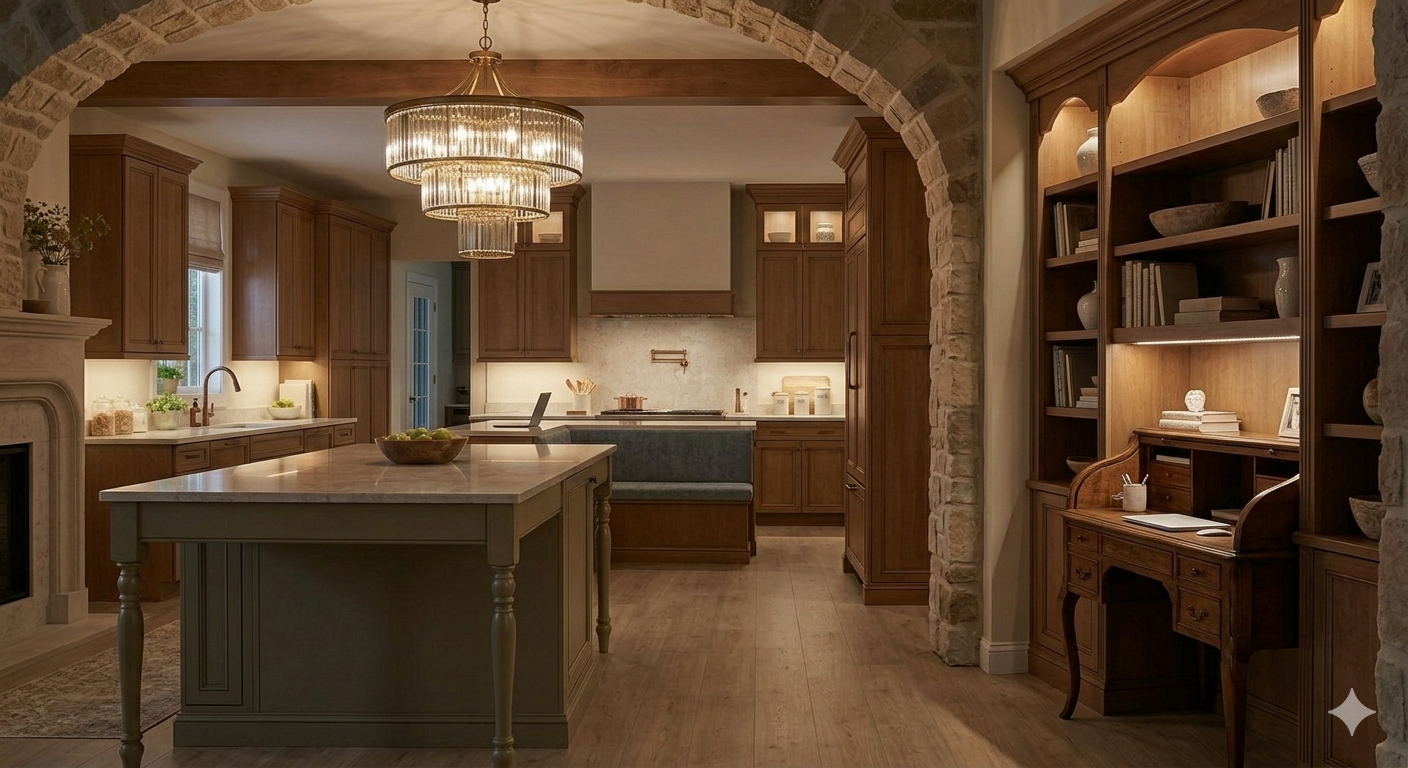
• Natural wood tones
• Warm neutral colors
• Stone surfaces
• Textured cabinetry
• Curved architectural details
These materials create a softer and more relaxed environment that aligns with the living room inspired design approach.
Technology Is Being Hidden in Plain Sight
Technology is still a major part of modern kitchens, but designers are finding ways to integrate it more subtly.
Examples include
• Wireless charging hidden beneath countertops
• Charging drawers for phones and tablets
• Built in smart appliances
• Concealed outlets and lighting controls
These features allow homeowners to stay connected while keeping the overall design clean and uncluttered.
What This Means for Homebuyers
For buyers touring homes today, kitchens may look different than they did even five or ten years ago.
Instead of a strictly functional cooking area, buyers are often seeing kitchens designed to feel like extensions of the living room. Comfortable seating, softer lighting, and furniture inspired design elements are becoming more common.
Homes that successfully blend comfort with functionality tend to stand out because they reflect how people actually live inside their homes.
What This Means for Home Sellers
If you are preparing to sell your home, understanding current kitchen design trends can be helpful.
You do not need a full renovation to capture this look. Simple updates can make a kitchen feel warmer and more inviting.
Examples include
• Adding softer lighting
• Incorporating natural wood accents
• Using furniture style bar stools or seating
• Reducing clutter on countertops
• Adding decorative elements such as artwork or plants
Small changes can help buyers imagine spending time in the space rather than just using it for cooking.
The Kitchen Is Still the Heart of the Home
The phrase "the kitchen is the heart of the home" has been used for years, but modern design is finally catching up with that idea.
Today’s kitchens are evolving into spaces where people cook, relax, socialize, and live their daily lives. By blending the comfort of a living room with the functionality of a kitchen, designers are creating spaces that better reflect how families use their homes today.
As homes continue to evolve, the kitchen will likely remain the center of it all.
